
6 Safety Standards Patients Should Know About Cosmetic Procedures
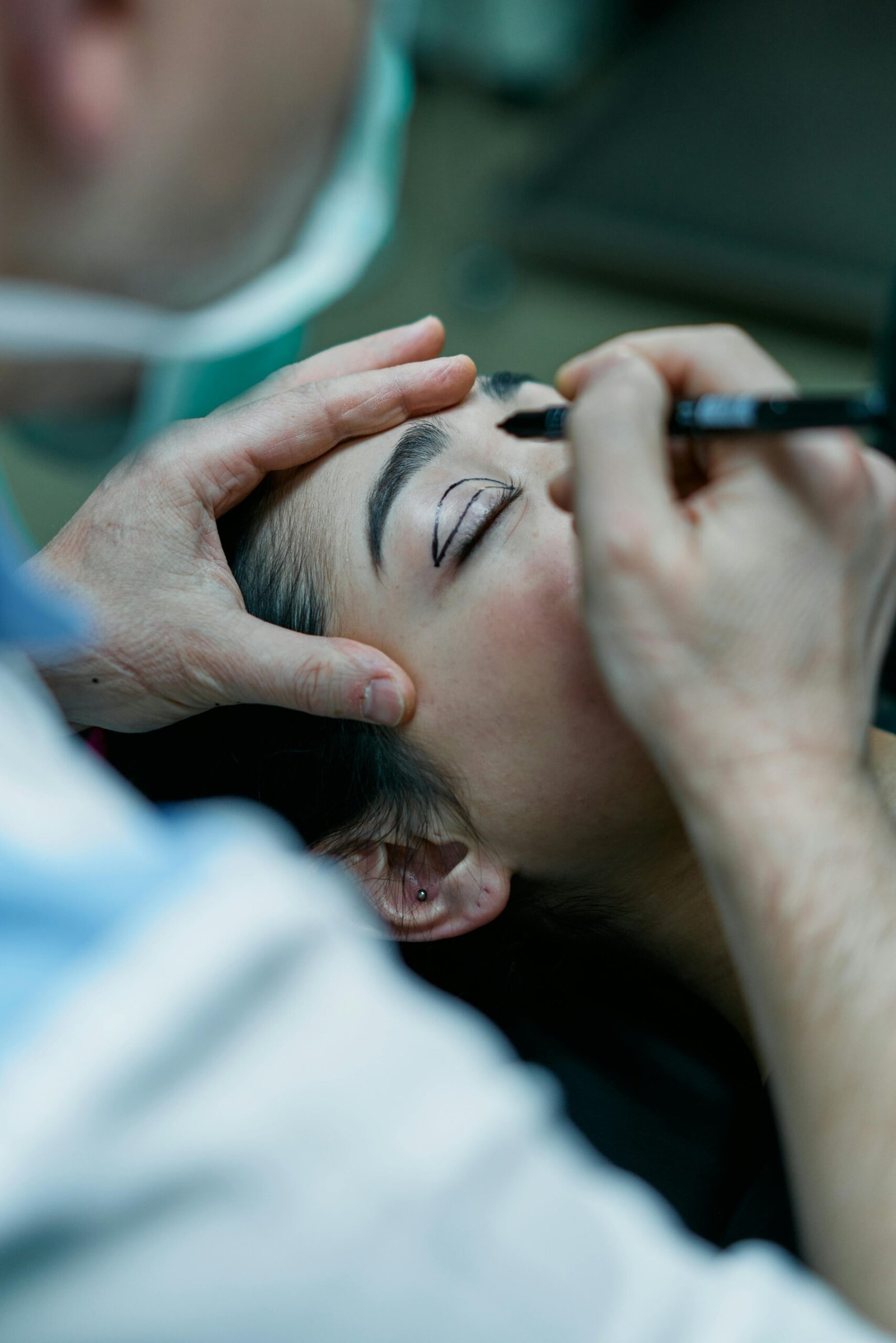
Safety is one of the most important considerations for anyone exploring cosmetic procedures. Whether a treatment is minimally invasive or surgical, understanding the standards that protect patient health helps create a more informed and confident experience. Reputable providers follow strict guidelines designed to reduce risk, support predictable outcomes, and ensure that every step of the process is handled with care. When patients know what to expect, they can make decisions that align with their comfort level and long term well‑being.
Proper Provider Credentials and Training
A key safety standard in cosmetic care is ensuring that the provider has the appropriate training, certifications, and experience. Cosmetic procedures require precision and a deep understanding of anatomy, which is why choosing a qualified professional is essential. Board certification and specialized training demonstrate that the provider has met rigorous educational and ethical requirements.
Patients benefit from working with a specialist who has extensive experience in the specific procedure they are considering. This background supports safer treatment planning, more predictable results, and a smoother overall experience.
Safe and Accredited Treatment Facilities
The environment in which a cosmetic procedure is performed plays a major role in patient safety. Accredited facilities follow strict guidelines for cleanliness, equipment maintenance, and emergency preparedness. These standards help ensure that procedures are performed in a controlled, well monitored setting.
Accredited surgical centers and medical offices also maintain high standards for staff training and sterilization practices. This level of oversight provides reassurance that the environment supports safe and effective care.
Comprehensive Consultations and Medical Evaluations
Before undergoing any cosmetic procedure, patients should receive a thorough consultation that includes a review of medical history, current health conditions, and personal goals. This evaluation helps determine whether the patient is a suitable candidate and allows the provider to identify any potential risks.
A detailed consultation also gives patients the opportunity to understand the procedure, expected outcomes, and any necessary preparation. This step is essential for creating a personalized treatment plan that prioritizes safety and aligns with the patient’s needs.
Clear Information About Risks and Recovery
Every cosmetic procedure carries some level of risk, and reputable providers ensure that patients understand these considerations before moving forward. Discussing potential side effects, complications, and recovery expectations helps patients make informed decisions.
Understanding the recovery process is equally important. Patients should know how long healing may take, what symptoms are normal, and when to seek follow up care. Clear guidance supports a smoother recovery and reduces the likelihood of complications.
Use of High Quality Products and Medical Grade Equipment
Safety in cosmetic procedures also depends on the quality of the products and equipment used. Medical grade tools, sterile instruments, and FDA approved products help ensure that treatments are performed safely and effectively. Providers who prioritize quality reduce the risk of adverse reactions and support more consistent results.
This standard applies to both surgical and non surgical procedures. Whether a patient is considering injectables, skin treatments, or a neck lift in Northern Virginia, high-quality materials contribute to a safer and more reliable experience.
Ongoing Monitoring and Post Procedure Care
Safety does not end when the procedure is complete. Proper aftercare and follow up appointments are essential for monitoring healing and addressing any concerns that may arise. Providers should offer clear instructions for caring for the treated area and schedule follow up visits to ensure that recovery is progressing as expected.
Ongoing communication between the patient and provider supports long term safety and helps maintain the results of the procedure. This continued attention reflects a commitment to patient well‑being beyond the treatment itself.
Conclusion
Understanding safety standards is an important part of preparing for any cosmetic procedure. Proper credentials, accredited facilities, thorough consultations, clear risk information, high quality materials, and attentive aftercare all contribute to a safer and more positive experience. When patients are informed and supported, they can move forward with confidence and peace of mind.



Leave a Comment