
8 Evidence-Based Strategies for Treating Scalp Disorders
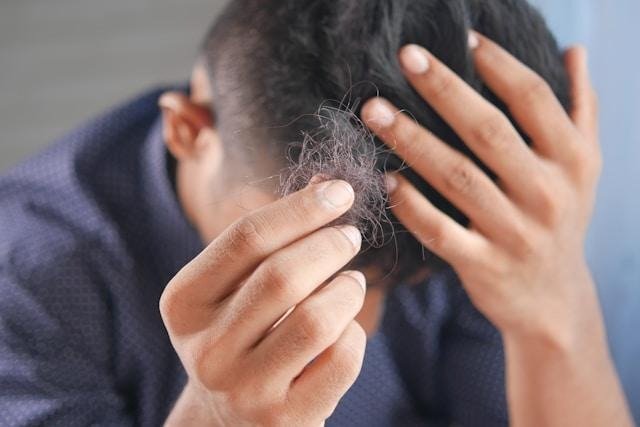
Scalp disorders can range from mild irritation to chronic conditions that have a significant impact on quality of life. Issues such as dandruff seborrheic dermatitis, psoriasis, folliculitis, and alopecia are not uncomfortable but can also affect confidence and overall well-being. With advances in dermatology and trichology, evidence-based strategies now offer effective ways to manage these conditions. This article explores eight proven approaches to treating scalp disorders and highlights both medical and lifestyle interventions that can make a meaningful difference.
Understanding the Root Causes
Effective treatment begins with identifying the underlying cause of a scalp disorder. Factors such as genetics immune system responses hormonal imbalances and environmental triggers all play a role. As an example, dandruff often results from an overgrowth of yeast on the scalp, while psoriasis is linked to immune system dysfunction. A clear diagnosis ensures that treatment targets the specific condition rather than just eases symptoms.
Medicated Shampoos and Topical Solutions
One of the most recommended strategies involves medicated shampoos containing active ingredients like ketoconazole, zinc pyrithione, or selenium sulfide. These agents reduce fungal growth calm inflammation and minimize flaking. For psoriasis or seborrheic dermatitis, doctors may prescribe topical corticosteroids or calcineurin inhibitors to control immune-related flare-ups. Consistent use under medical guidance is key to achieving lasting results.
Nutritional and Lifestyle Adjustments
Diet and lifestyle have a significant influence on scalp health. Nutrient deficiencies in zinc, vitamin D, and omega-3 fatty acids can worsen scalp conditions. A balanced diet rich in whole foods lean proteins, and healthy fats supports skin and hair health. Stress management techniques such as yoga, meditation, and regular exercise can also reduce flare-ups in conditions like psoriasis and eczema.
Advanced Medical Therapies
To treat more severe scalp disorders, advanced medical interventions may be necessary. Phototherapy uses controlled exposure to ultraviolet light and has shown effectiveness in treating psoriasis. Biologic medications that target specific immune pathways are another option for patients with chronic resistant conditions. These therapies are evidence-based and often reserved for individuals who do not respond to conventional treatments.
Breakthroughs in Hair Restoration
Alopecia, whether caused by autoimmune conditions or hormonal factors, requires specialized treatment. Recent innovations are Causing a Revolution in Alopecia Treatment, with approaches such as platelet-rich plasma (PRP) therapy, low-level laser therapy and stem cell research showing promising results. These evidence-based strategies aim not to slow hair loss but also to stimulate regrowth offering hope to those affected by this challenging condition.
Significance of Scalp Hygiene
Maintaining proper scalp hygiene is a simple yet powerful strategy. Regular cleansing with gentle, sulfate-free shampoos helps remove excess oil, dirt, and product buildup. Avoiding harsh chemicals, minimizing heat styling and ensuring adequate hydration all have an influence on a healthier scalp environment. Good hygiene practices can prevent minor irritations from developing into more serious disorders.
Integrative and Holistic Approaches
Complementary therapies such as aromatherapy herbal remedies and acupuncture are gaining attention for their role in managing scalp disorders. While these approaches should not replace medical treatment, they can enhance overall well-being and reduce stress, which is often a trigger for flare-ups. Essential oils like tea trees and peppermint when used, may provide soothing benefits for mild irritation.
Regular Dermatological Check-Ups
Scalp disorders often require ongoing management rather than one-time solutions. Regular check-ups with a dermatologist to ensure that treatments remain effective and are adjusted as needed. Monitoring progress helps prevent complications and allows for early intervention if new symptoms arise. Evidence shows that consistent medical oversight leads to better long-term outcomes.
Conclusion
Treating scalp disorders needs a comprehensive approach that brings together medical therapies, lifestyle adjustments, and ongoing professional care. From medicated shampoos and advanced biologics to breakthroughs in hair restoration, evidence-based strategies offer hope and relief for those who struggle with these conditions. By understanding root causes, maintaining scalp hygiene and seeking regular dermatological guidance, individuals can manage scalp disorders with confidence and enhance both their health and quality of life.



Leave a Comment