
Faith Lessons on Compassion and Responsibility
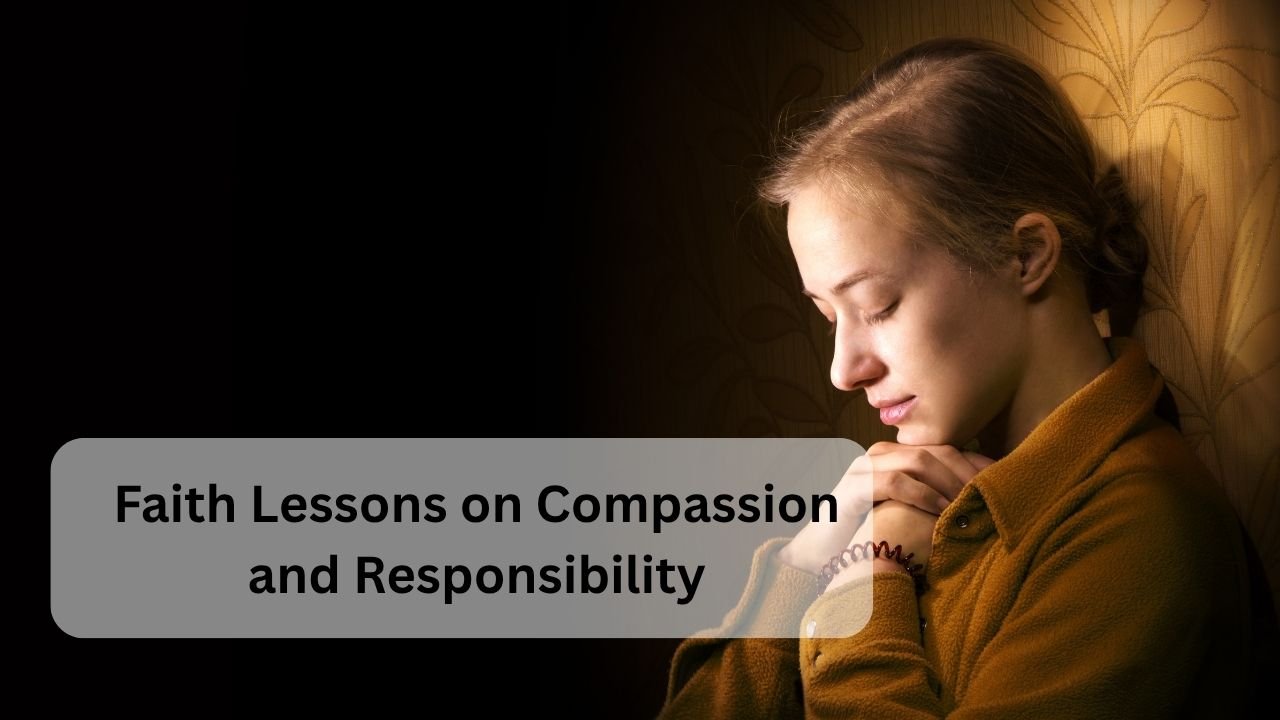
Faith has long served as a guide for how people treat one another, especially in moments of hardship and uncertainty. Across generations, spiritual teachings have emphasized compassion not as an optional virtue, but as a responsibility woven into daily life. Compassion, in this sense, is more than feeling sympathy; it is the active choice to care, to support, and to uplift others when they need it most.
Through faith, individuals are reminded that every person carries inherent worth. This belief encourages a shift in perspective, helping people look beyond surface-level differences and recognize shared humanity. Compassion becomes an extension of faith itself, transforming belief into action. Whether through small acts of kindness or larger commitments to helping others, faith inspires people to lead with empathy and understanding.
Responsibility as a Core Moral Principle
Alongside compassion, responsibility plays a central role in faith-based teachings. Responsibility is not limited to personal conduct; it extends outward, encompassing how individuals contribute to the well-being of their communities. Faith encourages accountability, not just for one’s actions, but for how those actions impact others.
This sense of responsibility often manifests in caring for those who are vulnerable or in need. It challenges individuals to move beyond passive awareness and take meaningful steps toward positive change. Faith teaches that responsibility is not a burden, but a calling, a way to live out one’s beliefs in a tangible and impactful manner.
When compassion and responsibility are combined, they create a powerful framework for ethical living. Compassion motivates action, while responsibility ensures that action is intentional and sustained. Together, they encourage individuals to be mindful of both immediate needs and long-term outcomes.
Lessons from Scripture on Helping Others
Scripture offers countless lessons that reinforce the importance of caring for others. These teachings often highlight the moral duty to support those experiencing hardship, reminding believers that generosity and kindness are essential aspects of faith. By reflecting on these messages, individuals can better understand their role in creating a more compassionate world.
For example, many passages emphasize the importance of sharing resources and offering support to those facing poverty. These teachings are not simply suggestions; they are clear calls to action. Understanding what the bible says about poverty can provide deeper insight into how faith encourages believers to respond with generosity, humility, and care.
These lessons remind individuals that acts of compassion are not isolated gestures; they are part of a broader commitment to justice and kindness. By aligning actions with these teachings, people can create meaningful change in their communities and beyond.
Practicing Compassion in Everyday Life
Living out compassion and responsibility does not require grand gestures. Often, it is the small, consistent actions that have the greatest impact. Listening to someone in need, offering support during difficult times, or simply being present for others can make a significant difference.
Faith encourages individuals to look for opportunities to serve, even in ordinary moments. It challenges people to be intentional in their interactions, ensuring that kindness and understanding are at the forefront of their behavior. This daily practice of compassion helps build stronger, more connected communities.
Responsibility, in this context, means recognizing that everyone has a role to play. It is about understanding that even small contributions matter and that collective efforts can lead to meaningful change. By embracing this mindset, individuals can turn their faith into a lived experience that benefits both themselves and others.
Building a More Compassionate Future
The lessons of compassion and responsibility found in faith are timeless, offering guidance that remains relevant in today’s world. As challenges evolve, these principles continue to provide a foundation for ethical decision-making and meaningful action.
By embracing compassion, individuals can foster empathy and understanding in their communities. By accepting responsibility, they can ensure that their actions contribute to a greater good. Together, these values create a path toward a more just and caring society.
Faith ultimately teaches that compassion and responsibility are not separate ideals, they are interconnected. When practiced together, they have the power to transform lives, strengthen communities, and inspire lasting change.



Leave a Comment