
How to Travel While Being Financially Responsible
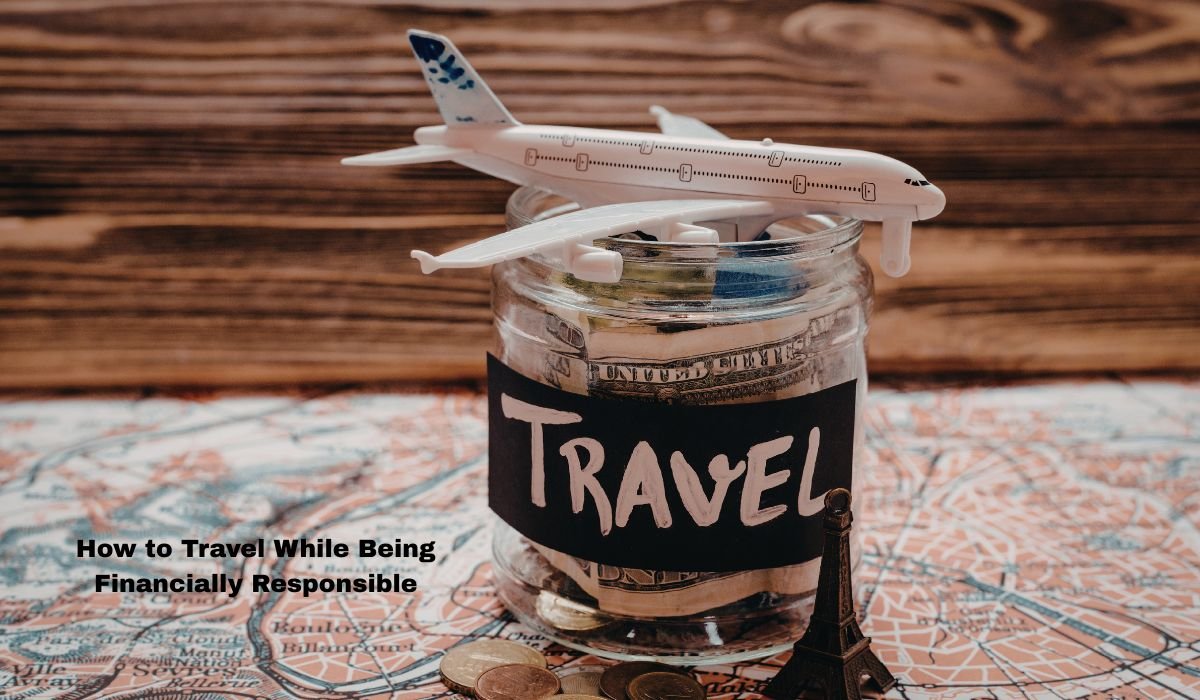
Traveling enriches our lives with unforgettable experiences, broadens our perspectives, and creates memories we’ll treasure forever. Yet here’s the thing, many people assume exploring the world means emptying their savings or racking up credit card debt. That’s simply not true. With thoughtful planning, smart strategies, and disciplined financial habits, you can feed your wanderlust without wrecking your financial health. Understanding how to balance that itch for adventure with responsible money management? That’s the key to long-term financial stability and sustained travel opportunities. When you implement strategic approaches to budgeting, saving, and spending, travel transforms from a once-in-a-lifetime splurge into a regular part of your life, minus the stress and regret.
Creating a Dedicated Travel Budget
Setting up a specific travel budget forms the bedrock of financially responsible trip planning. Start by taking a hard look at your monthly income and expenses to figure out what you can realistically set aside for travel without shortchanging essential obligations like rent, utilities, retirement savings, and that crucial emergency fund. Here’s a game-changer: open a separate savings account exclusively for travel. This simple move prevents your travel funds from getting swallowed up by everyday spending.
Maximizing Travel Rewards and Points Programs
Smart use of credit card rewards and loyalty programs can slash your travel costs, when handled responsibly, that is. Start by researching travel credit cards that deliver substantial sign-up bonuses, boosted earning rates on travel purchases, and valuable perks like free checked bags or airport lounge access. But here’s the crucial part: pay off those balances in full every single month. Interest charges will quickly devour any rewards you’ve earned, defeating the entire purpose.
Choosing Affordable Destinations and Travel Timing
Your destination choice and when you go can make or break your travel budget, seriously. Consider exploring emerging destinations that deliver rich cultural experiences at a fraction of what you’d spend at traditional tourist hotspots. Southeast Asia, Eastern Europe, Central America, and parts of South America offer incredible adventures while stretching your dollars significantly further than, say, Western Europe or major Australian cities. Traveling during shoulder seasons, those sweet spots between peak and off-peak times, means you’ll enjoy pleasant weather and fewer crowds while snagging lower prices on flights and accommodations.
Implementing Smart Booking and Accommodation Strategies
How and where you book your travel components significantly affects your bottom line and overall financial responsibility. Flight comparison tools and price alerts become your best friends here, they help you monitor fare fluctuations and book when prices drop to acceptable levels. Whether you’re booking flights months in advance or grabbing last-minute deals, both approaches can yield solid savings depending on the route and season. For accommodations, think beyond traditional hotels. Vacation rentals, hostels with private rooms, or home exchange programs can eliminate lodging costs entirely. Many savvy travelers target accommodations with kitchen facilities, cutting costs by preparing some meals instead of eating out for every single one. When you’re balancing travel aspirations with your bigger financial picture, professionals who need to optimize their long, term savings and investment strategies often consult a financial advisor in Denver Colorado to ensure travel expenses align with retirement goals and wealth accumulation. Don’t forget to research free or low-cost activities at your destination, walking tours, public parks, museums with free admission days, and local festivals provide authentic cultural experiences without straining your budget. Finally, comprehensive travel insurance protects your financial investment against unforeseen circumstances that could otherwise result in devastating losses.
Managing Daily Expenses While Traveling
Keeping your day-to-day spending under control while traveling requires mindfulness and practical strategies that won’t diminish your experience one bit. Set a realistic daily budget covering meals, transportation, activities, and miscellaneous expenses, then track your spending throughout the trip to stay accountable. Embrace local dining options like street food vendors, neighborhood eateries, and markets instead of those tourist-oriented restaurants charging premium prices for comparable (or worse) quality. Public transportation, walking, and bike rentals beat taxis or ride-sharing services for cost-effectiveness whenever they’re practical and safe.
Building Long-Term Travel Sustainability
Maintaining financial responsibility while traveling goes way beyond individual trips, it’s about creating sustainable travel habits over the long haul. Regularly review and adjust your travel budget based on actual spending from previous trips, learning from experience to improve your future planning accuracy. Whatever you do, avoid financing travel through high, interest debt. The long-term financial burden simply isn’t worth the short-term enjoyment of the experience.
Conclusion
Traveling while maintaining financial responsibility isn’t just achievable, it’s entirely within your reach through intentional planning, strategic decision-making, and disciplined execution. By creating dedicated travel budgets, leveraging rewards programs wisely, choosing affordable destinations, implementing smart booking strategies, managing daily expenses carefully, and building sustainable long-term habits, you can explore the world without compromising your financial security. The real secret? Viewing travel not as some extravagant luxury requiring financial sacrifice, but as a valued priority that deserves proper planning and resource allocation within your overall financial framework. With these strategies working for you, travel transforms from an occasional financial burden into a regular, enriching part of your life, one that enhances rather than hinders your journey toward financial wellness and personal fulfillment.



Leave a Comment