
5 Safety Practices Professional Groomers Follow
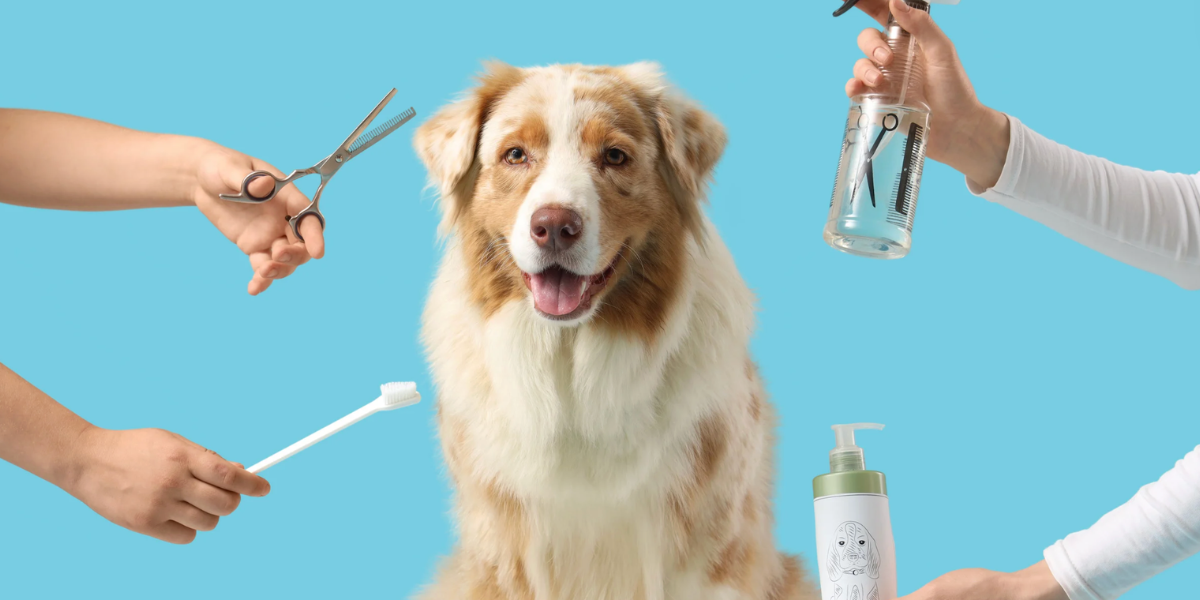
Professional groomers play an essential role in maintaining a pet’s hygiene, comfort, and overall well‑being. Their work requires not only technical skill but also a strong commitment to safety. From handling tools to managing animal behavior, groomers follow structured practices that protect both pets and staff. Understanding these safety measures helps pet owners appreciate the level of care that goes into every grooming session and highlights why choosing trained professionals is so important.
Thorough Pet Assessments Before Grooming Begins
A safe grooming experience starts with a detailed assessment of the pet. Professional groomers take time to evaluate the animal’s coat condition, skin health, temperament, and any physical sensitivities. This initial check helps identify mats, irritations, lumps, or signs of discomfort that may require special handling.
Groomers also ask owners about medical history, allergies, or behavioral concerns. This information allows them to tailor the grooming process to the pet’s needs, ensuring a safe and comfortable experience. For example, a dog with joint issues may require gentler handling or shorter grooming intervals. By beginning with a thorough assessment, groomers reduce the risk of injury and ensure that each pet receives appropriate care.
Proper Handling Techniques to Reduce Stress
Handling is one of the most important aspects of grooming safety. Professional groomers are trained to manage pets calmly and confidently, using techniques that minimize stress and prevent sudden movements. They understand how to support a pet’s body during lifting, how to position them securely on grooming tables, and how to respond to signs of anxiety.
Gentle restraint methods help keep pets steady without causing discomfort. Groomers also use positive reinforcement to build trust, offering breaks when needed and adjusting their approach based on the pet’s behavior. These techniques create a safer environment for both the animal and the groomer, especially during tasks that require precision, such as nail trimming or ear cleaning.
Sanitized Tools and Clean Workspaces
Cleanliness is a core safety practice in professional grooming. Groomers sanitize tools such as clippers, scissors, brushes, and combs between each appointment to prevent the spread of bacteria, parasites, and skin conditions. Clippers are regularly disinfected, blades are sharpened, and grooming surfaces are wiped down throughout the day.
A clean workspace also reduces the risk of accidents. Groomers keep floors dry, cords organized, and tools stored properly to maintain a safe environment. These practices are especially important in busy grooming facilities where multiple pets may be present at once. Maintaining strict hygiene standards ensures that pets receive care in a healthy, well‑managed setting.
Safe Use of Grooming Equipment
Professional groomers are trained to use specialized equipment safely and effectively. Clippers, dryers, shears, and grooming tables all require proper handling to avoid injury. Groomers understand how to adjust clipper blades to prevent overheating, how to use dryers at safe distances, and how to secure pets on grooming tables without causing discomfort.
They also monitor pets closely during equipment use. For example, high velocity dryers can be loud and overwhelming, so groomers adjust settings based on the pet’s tolerance. Scissors and shears are used with precision to avoid nicks or cuts, especially around sensitive areas. This level of attention ensures that grooming tools enhance the experience rather than pose risks.
Emergency Preparedness and Professional Training
Even with careful handling, unexpected situations can arise. Professional groomers prepare for emergencies by maintaining first aid supplies, knowing how to respond to minor injuries, and understanding when veterinary attention is necessary. Their training often includes pet CPR, wound care basics, and protocols for handling allergic reactions or sudden behavioral changes.
Experienced groomers also know when a pet is too stressed or unsafe to continue grooming. In these cases, they may pause the session, recommend a break, or suggest alternative approaches. Facilities that offer dog grooming in Spring, TX, often emphasize ongoing education and safety certifications to ensure that groomers stay current with best practices. This commitment to preparedness reinforces a safe and supportive environment for every pet.
Conclusion
Professional groomers follow structured safety practices that include thorough assessments, proper handling, strict sanitation, safe equipment use, and emergency preparedness. These measures protect pets, support groomer confidence, and ensure that each grooming session is carried out with care and professionalism.



Leave a Comment