
Link Building Strategies for Modern SEO
Key Takeaways
- Quality over quantity: Focus on acquiring high-quality, relevant backlinks.
- Content is king: Create valuable content that naturally attracts links.
- Leverage relationships: Build genuine connections for guest posting and collaborations.
- Utilize tools: Employ SEO tools to analyze and enhance your link-building efforts.
Table of Contents
- The Importance of Link Building in SEO
- Content-Driven Link Building Strategies
- Guest Posting and Outreach
- Broken Link Building
- Leveraging Resource Pages
- Competitor Analysis for Link Opportunities
- Tools and Resources for Effective Link Building
- Conclusion
The Importance of Link Building in SEO
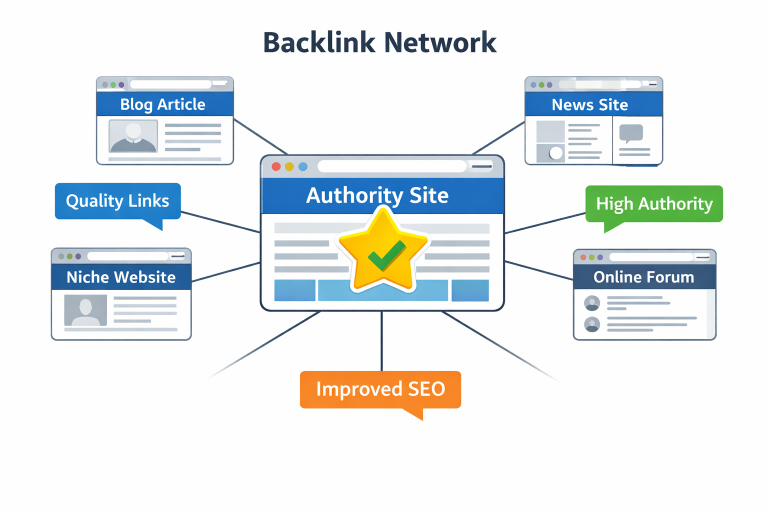
In the ever-evolving landscape of search engine optimization (SEO), link building remains a cornerstone. High-quality backlinks signal to search engines that your content is authoritative and trustworthy, boosting your site’s rankings. However, the focus has shifted from sheer quantity to the quality and relevance of these links.
Vazoola, a leading SEO company specializing in content and backlinks for agencies, marketers, and SEOs since 2010, emphasizes the importance of acquiring high-quality, relevant backlinks to enhance search engine rankings and organic traffic.
Google’s algorithms have advanced significantly in their ability to distinguish between natural and manipulative links, making genuine endorsements more critical than ever. While links from authoritative sources continue to move the needle, relevance and natural context within content often outweigh raw domain authority. As such, outreach should be highly targeted and relationship-driven, enabling you to secure links that are both impactful and sustainable for long-term organic growth.
Content-Driven Link Building Strategies
Creating compelling, informative content is one of the most effective ways to earn backlinks naturally. When your content provides value, other websites are more likely to reference it. For instance, comprehensive guides, original research, and insightful analyses tend to attract more links.
Some of the most successful content-driven link-building campaigns utilize infographics, expert roundups, case studies, and interactive tools. These formats not only make information digestible but also encourage sharing and inbound linking from blogs, journalists, and industry-specific websites. Remember, evergreen content, pieces that stay relevant over time, often accumulates links for months or even years after publication.
Guest Posting and Outreach
Guest posting involves writing articles for other reputable websites in your industry. This strategy not only positions you as an authority but also allows you to include backlinks to your site. It’s essential to target sites that align with your niche and have a strong readership.
Successful guest posting starts with identifying editorially sound, credible sites. Personalize every outreach email by highlighting specific articles, referencing their audience, and clearly indicating how your contribution aligns with their content goals. While the main objective is to secure a backlink, a well-placed guest post can also drive referral traffic and expand your professional network within your industry.
Broken Link Building
This tactic involves identifying broken links on other websites and suggesting your content as a replacement. It’s a win-win: the website owner fixes a broken link, and you gain a backlink. Tools like Ahrefs and SEMrush can help identify these opportunities.
To maximize this method, continually monitor competitors for broken inbound links and authoritative sites within your sector. Tailor your outreach to not only flag the broken resource but also explain why your link is the optimal substitute. Being helpful and brief is key; web admins are keen to improve their user experience but rarely have excess time.
Leveraging Resource Pages
Many websites have resource pages that link to valuable content within a specific industry. Reaching out to these sites with your relevant content can result in high-quality backlinks. Ensure your content genuinely adds value to their resource list.
Common targets include university domains, public institutions, trade associations, and community organizations, whose resource pages often have high authority. A compelling pitch highlights both the educational value and contemporary relevance of your content, backed by a concise summary and direct link. Importantly, review each page’s linking policies before pitching to ensure you adhere to the guidelines and increase your acceptance rate.
Competitor Analysis for Link Opportunities
Analyzing your competitors’ backlink profiles can reveal where they are getting their links and help you identify potential opportunities. Tools like Ahrefs and Moz offer features to explore competitors’ backlinks, allowing you to target similar sources.
Begin by listing your top-performing competitors for desired keywords, then use backlink analysis tools to mine their referring domains. Not all links are attainable, but patterns often emerge, such as favored blog networks, directories, or partnerships, which you can emulate or improve upon. Over time, this strategy may also reveal outreach gaps or undiscovered influencer relationships that you can leverage for your own campaigns.
Tools and Resources for Effective Link Building
Utilizing the right tools can streamline your link-building efforts. For example, TechRadar provides a comprehensive comparison of the best link-building and backlink analysis tools, which are crucial for effective SEO practices. Additionally, platforms like SiteGround offer insights into effective link-building strategies.
Popular tools include:
- Ahrefs: Excellent for backlink analysis, broken link checking, and content research.
- SEMrush: Offers keyword tracking, competitive analysis, and link audit features.
- Moz Pro: Useful for monitoring domain authority, tracking new and lost links, and finding link opportunities.
- Hunter.io: Helps efficiently and reliably find email addresses for outreach campaigns.
- BuzzStream: Manages outreach projects and tracks communications, saving time during mass campaigns.
Investing in these tools will amplify your ability to monitor, respond to, and capitalize on new backlink opportunities, ensuring your strategy remains agile in a competitive digital landscape.
Conclusion
Effective link building is a dynamic and ongoing process that requires a focus on quality, relevance, and strategic outreach. By creating valuable content, leveraging relationships, and utilizing the right tools, you can build a robust backlink profile that enhances your SEO performance.
As search engines become more sophisticated, the value of authentic, human-driven connections will only increase. Link building is not a set-and-forget tactic; it’s an integral part of brand building and long-term digital marketing success. Maintain focus on ethical practices, constantly refine your approach, and monitor the performance of your efforts to stay ahead in modern SEO. Ultimately, link building is most powerful when it enriches the internet’s ecosystem, delivering value not just to search engines but also to real users.
Leave a Comment