
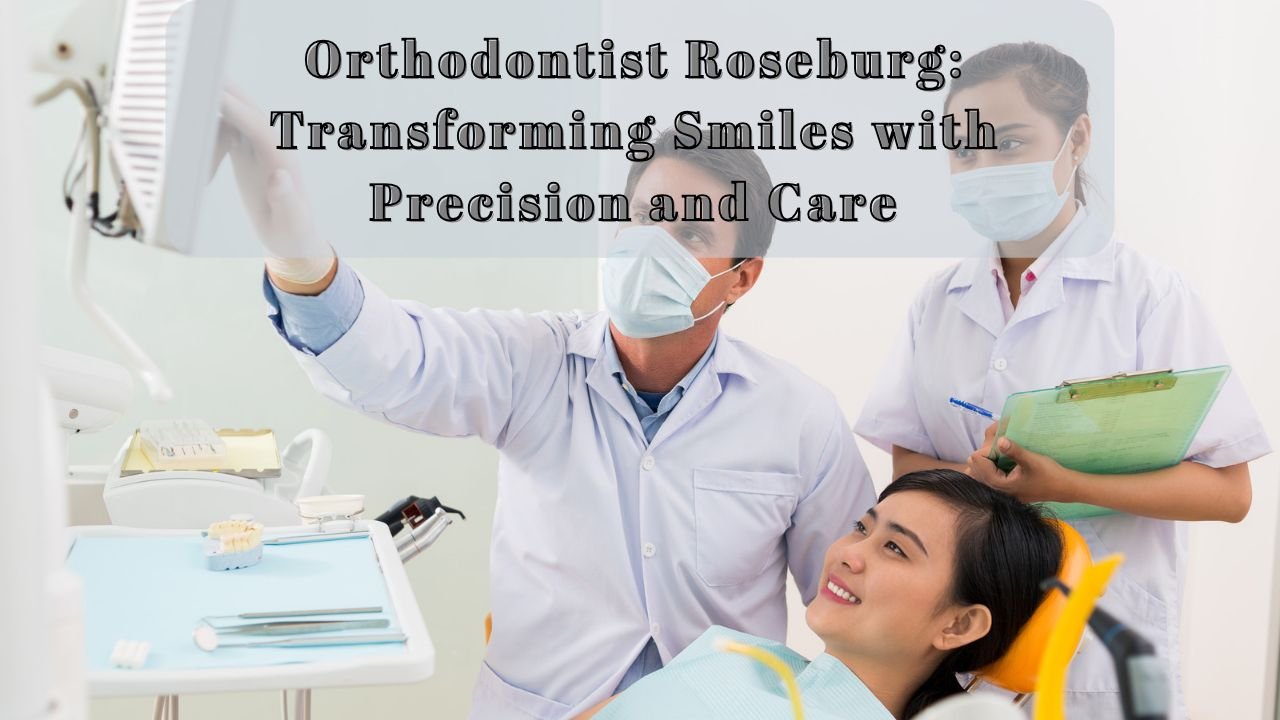
Orthodontist Roseburg: Transforming Smiles with Precision and Care
Key Takeaways
Choosing the right orthodontic provider is an important step toward achieving a healthier, more confident smile. An experienced orthodontist Roseburg patients can trust combines personalized treatment planning, modern technology, and attentive care to address both cosmetic and functional dental concerns.
Modern orthodontics offers a variety of treatment options, including traditional braces and clear aligners, allowing patients to choose solutions that fit their dental needs and lifestyles.
Orthodontic treatment goes beyond straightening teeth. It can also address bite problems, jaw alignment, tooth positioning, and other concerns that may affect long-term oral health.
Advanced digital impressions and 3D imaging allow orthodontists to evaluate dental structures with greater precision and develop treatment plans tailored to individual patients.
Children can benefit from early orthodontic evaluations, while adults can take advantage of discreet treatment options designed to fit professional and personal lifestyles.
Ultimately, orthodontic care combines precision, technology, and personalized attention to help patients achieve lasting improvements in both their smiles and oral health.
Why Choose an Orthodontist in Roseburg for Your Smile Transformation?
Personalized Care for Every Patient
Every patient’s teeth, jaw structure, bite, and treatment goals are different. For this reason, effective orthodontic treatment begins with a personalized evaluation rather than a one-size-fits-all approach.
An orthodontist in Roseburg can assess a patient’s specific dental concerns and develop a treatment plan based on their individual needs. This personalized approach can address both the appearance of the smile and important functional concerns.
Patients can also benefit from working with a local orthodontic provider who understands the needs of the surrounding community. Building an ongoing relationship with the same orthodontic team can make treatment more comfortable and encourage better communication throughout the process.
Modern Orthodontic Treatment Options
Orthodontic technology has advanced significantly, giving patients more choices than traditional metal braces alone. Depending on the patient’s condition, age, and preferences, treatment may involve traditional braces, clear aligners, or other specialized orthodontic appliances.
Common benefits of modern treatment options include:
- Customized treatment plans: Treatment is designed around each patient’s dental structure and goals.
- Comfort-focused appliances: Modern materials and techniques can make treatment more comfortable.
- Discreet options: Clear aligners and other less noticeable appliances can appeal to patients concerned about appearance.
- Improved treatment planning: Digital technologies allow orthodontists to plan tooth movement more precisely.
These developments allow orthodontic treatment to become more adaptable to different lifestyles while maintaining a focus on effective results.
What Does an Orthodontist Treat?
An orthodontist does much more than straighten crooked teeth. Orthodontic specialists evaluate the alignment of teeth and jaws and look for problems that may affect oral function and long-term dental health.
Treatment may address:
- Crowded or crooked teeth
- Gaps between teeth
- Overbites and underbites
- Crossbites
- Improper jaw alignment
- Problems with tooth positioning
- Certain issues affecting facial symmetry
Correcting these concerns can improve the appearance of the smile while also making it easier to maintain proper oral hygiene and achieve a more functional bite.
Exploring the Latest Orthodontic Technologies
Invisalign vs. Traditional Braces
One of the most common decisions patients face is whether clear aligners or traditional braces are more appropriate for their needs.
Clear aligners are popular among adults and older teenagers who want a more discreet treatment option. They can be removed for eating, drinking, brushing, and flossing, although patients must follow their orthodontist’s instructions for wearing them.
Traditional braces remain an effective option for many patients, particularly those with more complex alignment or bite concerns. Brackets and wires provide consistent control over tooth movement throughout treatment.
The right choice depends on several factors, including the severity of the orthodontic issue, treatment goals, age, oral health, and lifestyle.
Digital Impressions Improve Comfort and Accuracy
Digital impression technology has transformed the orthodontic evaluation process. Instead of relying exclusively on traditional impression materials, orthodontists can use digital scanners to create detailed images of a patient’s teeth.
This technology offers several advantages:
- Greater comfort: Patients can avoid the discomfort associated with traditional impression materials.
- Detailed measurements: Digital scans provide precise representations of the teeth.
- Efficient treatment planning: Digital records can make it easier to design and adjust treatment plans.
- Better communication: Patients can more easily understand their orthodontic needs when digital images are available.
Digital impressions are one example of how modern technology can make orthodontic care more comfortable and precise.
3D Imaging for More Precise Treatment Planning
3D imaging provides orthodontists with a detailed view of dental and jaw structures. This information can be valuable when evaluating complex alignment, bite, and jaw concerns.
With more comprehensive imaging, orthodontists can better understand the patient’s anatomy and develop treatment strategies that reflect their individual needs.
3D imaging can also improve communication between orthodontic professionals and other dental specialists when coordinated care is necessary.
When advanced imaging is combined with clinical expertise, patients can benefit from a more informed and individualized treatment approach.
Orthodontic Care for Children and Adults
Early Orthodontic Evaluation for Children
Early orthodontic evaluations can help identify developing alignment and bite problems before they become more complicated.
Many orthodontic professionals recommend an initial evaluation during childhood so potential issues can be identified while the teeth and jaws are still developing. Early assessment does not necessarily mean a child will immediately require treatment. Instead, it gives the orthodontist an opportunity to monitor dental development and determine whether intervention may be beneficial.
Potential advantages of early evaluation include:
- Identifying developing bite problems
- Monitoring jaw and facial development
- Creating space for permanent teeth when necessary
- Addressing certain alignment problems at an appropriate stage
- Helping parents understand their child’s orthodontic needs
Early professional guidance can make future treatment planning more predictable in appropriate cases.
Orthodontic Treatment for Adults
Orthodontic treatment is not limited to children and teenagers. Many adults choose orthodontic care to improve their smiles, correct bite problems, or support better oral health.
Modern treatment options can make orthodontics more convenient for adults. Clear aligners and other discreet appliances can allow patients to work toward their treatment goals while minimizing the visual impact of orthodontic appliances.
Adults may also benefit from improved oral hygiene when crowded or improperly positioned teeth are corrected, making certain areas easier to brush and floss.
Long-Term Benefits Beyond Aesthetics
A straight and attractive smile is only one potential benefit of orthodontic treatment. Proper tooth and bite alignment can also support long-term oral health.
Potential benefits may include:
- Easier brushing and flossing
- Improved bite function
- Reduced areas where plaque can accumulate
- Better distribution of biting forces
- Improved overall dental alignment
Orthodontic treatment should therefore be viewed as an investment in both appearance and oral function.
What Sets Orthodontic Care in Roseburg Apart?
Patient-Centered Treatment
A patient-centered approach places the individual’s needs and treatment goals at the heart of orthodontic care.
From the first consultation through regular adjustments and follow-up appointments, patients benefit from clear communication about their treatment options and progress.
A strong provider should take time to explain the proposed treatment, answer questions, discuss expected timelines, and help patients understand how to care for their teeth throughout the process.
Commitment to Modern Techniques
Orthodontics continues to evolve as new technologies and treatment techniques become available. Providers who stay current with developments in the field can offer patients modern approaches when appropriate.
Digital scanning, advanced imaging, clear aligners, and improved orthodontic materials are examples of technologies that can contribute to a more efficient and comfortable treatment experience.
Focus on Precision and Long-Term Results
Successful orthodontic treatment requires careful planning and ongoing monitoring. Each adjustment should contribute to the overall treatment objective while maintaining attention to the patient’s oral health.
Precision matters because even relatively small changes in tooth positioning can influence the final appearance and function of the bite.
Regular appointments allow orthodontic professionals to monitor progress and make adjustments when necessary.
How to Choose the Right Orthodontist in Roseburg
Selecting an orthodontic provider is an important decision. Patients should consider several factors before beginning treatment.
Evaluate Experience and Treatment Options
Look for a provider with experience treating patients with concerns similar to yours. It can also be helpful to determine whether the practice offers the treatment options you are considering, such as traditional braces or clear aligners.
Ask About Technology and Treatment Planning
Patients can ask whether digital impressions, imaging, or other modern technologies are used during evaluations and treatment planning.
Understanding how technology is incorporated into care can help patients feel more informed about the treatment process.
Consider Communication and Patient Comfort
Orthodontic treatment can take months or years, so establishing a comfortable relationship with the orthodontic team is important.
Patients should feel comfortable asking questions and discussing concerns about discomfort, treatment progress, appearance, costs, and expected results.
FAQ
What does an orthodontist do?
An orthodontist specializes in diagnosing and treating problems involving tooth and jaw alignment. Treatment can address concerns such as crooked teeth, crowding, gaps, overbites, underbites, and crossbites.
At what age should a child see an orthodontist?
Many orthodontic professionals recommend that children receive an initial orthodontic evaluation around age 7. An early evaluation allows potential problems to be identified and monitored as the child’s teeth and jaws develop.
Are orthodontic treatments available for adults?
Yes. Adults can receive orthodontic treatment using options such as traditional braces and clear aligners. Treatment recommendations depend on the patient’s dental condition and goals.
Is Invisalign better than traditional braces?
Neither option is universally better. Clear aligners may be appropriate for patients who prioritize discretion and removability, while traditional braces may be more suitable for certain complex alignment problems. An orthodontist can determine which option best fits a patient’s needs.
How long does orthodontic treatment take?
Treatment time varies depending on the complexity of the case, the patient’s age, the treatment method, and how consistently treatment instructions are followed. An orthodontist can provide a more specific estimate after an evaluation.
How often are orthodontic appointments needed?
Many patients have follow-up appointments every several weeks during active treatment. The exact schedule depends on the treatment plan and the type of orthodontic appliances being used.
Can orthodontic treatment improve oral health?
Properly aligned teeth can be easier to clean, which may support better oral hygiene. Correcting bite and alignment problems can also improve chewing function and the distribution of biting forces.
What happens during the first orthodontic consultation?
The first consultation generally involves an evaluation of the teeth and bite, discussion of dental concerns and treatment goals, and potentially digital scans or imaging. The orthodontist can then explain appropriate treatment options and expected next steps.
Useful Resources
- American Association of Orthodontists (AAO)
- American Dental Association (ADA)
- California Dental Association (CDA)
- Northwest Association of Orthodontists
- WebMD – Orthodontics Guide
- American Dental Association’s Mouth Healthy
- Healthline – Everything About Orthodontics
- National Center for Biotechnology Information – Orthodontics Overview


Leave a Comment